
UL Listed and UL Certified Labels: Know the Difference

UL Listed vs UL Certified
If your product includes electrical components—or even just needs to meet strict safety standards—you’ve likely come across the terms UL Listed and UL Certified. These small but important marks play a major role in product safety, compliance, and consumer confidence.
But what do these terms really mean? And how do you know which UL certification your product requires?
In this guide, we’ll break down the differences between UL Listed, UL Recognized, and UL Certified, and show how Advanced Labelworx supports manufacturers with compliant, durable UL label solutions.

What Is UL?
UL stands for Underwriters Laboratories, a global safety science organization founded in 1894. Originally focused on electrical and fire safety, UL has grown into a trusted authority on standards for:
- Electrical and electronic components
- Sustainability and environmental impact
- Water and food safety
- Hazardous materials
- Performance testing and compliance education
Today, UL operates more than 60 laboratories worldwide and remains one of a few organizations approved by OSHA to perform third-party safety testing.
What is a UL Listed Mark?
A UL Listed product has been tested by UL and meets established safety and performance standards. This designation applies to complete, stand-alone products—those that consumers use as-is.
When a product earns the UL Listed Mark, it means it has been evaluated for:
- Fire and flame resistance
- Electrical safety and current handling
- Construction quality and durability
Examples of UL Listed products include:
- Power tools
- Household appliances
- Smoke and CO₂ alarms
- Industrial machinery
- Lighting fixtures and electrical panels
Consumers look for this mark as a signal of trust and product reliability.
What is a UL Recognized Mark?
UL Recognized components undergo rigorous testing, though not as extensive as UL Listed products. Because they are internal parts, the UL Recognized Mark typically isn’t visible to consumers—but it’s crucial for manufacturers seeking full UL compliance for their assemblies.
- UL Listed applies to finished products designed for end users.
- UL Recognized applies to component parts intended for integration into a larger system or product.
The difference between UL Listed and UL Recognized comes down to how the product is used.
Common UL Recognized components include:
Transistors and diodes
Internal power supplies (AC-DC or DC-DC)
Circuit boards
Wiring and connectors
LEDs, LCDs, and display modules
What does it mean to be UL Certified?
The term UL Certified is an umbrella category that includes all UL designations:
- UL Listed (for end products)
- UL Recognized (for components)
- UL Classified (tested for specific properties or performance criteria)
UL also offers certification for facilities, processes, personnel, and systems, helping organizations maintain compliance and improve operational safety.
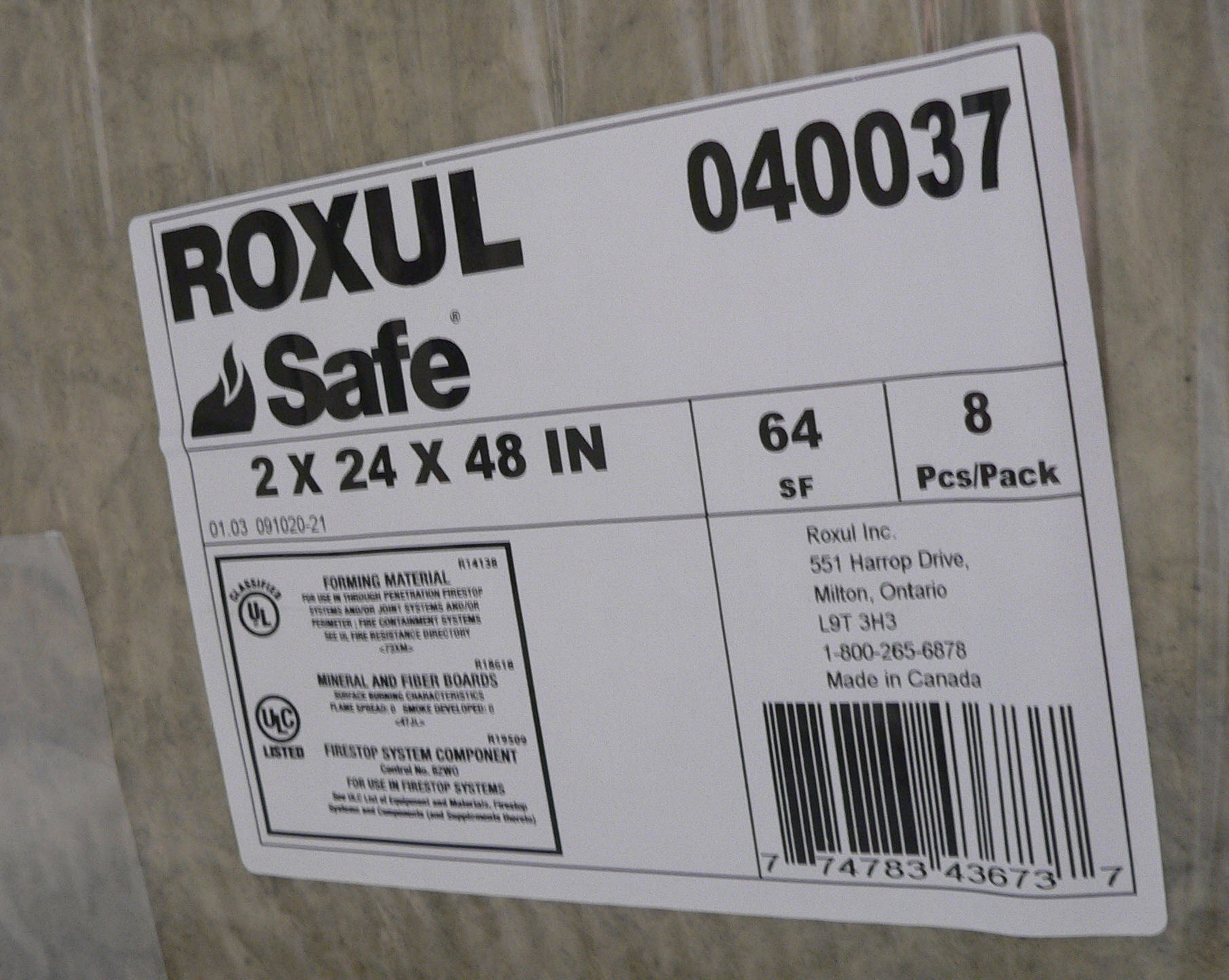
When Is UL Certification Required?
There are no federal laws in the U.S. that require UL certification. However, many industries and local building codes reference Nationally Recognized Testing Laboratories (NRTLs)—and UL is the most recognized among them.
Most retailers and distributors require UL or equivalent certification for safety and liability reasons. For manufacturers, obtaining UL certification demonstrates product integrity and helps meet customer expectations in industries like:
- Automotive and aerospace
- Consumer electronics
- Power generation and energy
- Oil and gas
- Industrial equipment
How to Get UL Certified
Getting UL Certified involves several steps and a partnership approach between UL and the manufacturer:
- Create a myUL account and submit your product information.
- Send product samples for evaluation and testing.
- UL performs electrical, mechanical, and safety testing to verify compliance.
- If approved, UL issues certification and authorizes the UL Mark.
- UL conducts ongoing audits to ensure continued compliance.
While the process requires time and investment, the benefits are long-term: greater product credibility, safer performance, and increased customer trust.
Why UL Certification Matters
UL certification protects your brand, your customers, and your bottom line. It shows your commitment to safety, quality, and reliability—attributes that differentiate your products in a competitive market.
At Advanced Labelworx, we help manufacturers stay compliant by producing UL-approved labels that meet material, durability, and mark requirements. Our team understands UL 969 standards and will ensure your labels perform as reliably as your products.
Partner with Advanced Labelworx
Need labels for your UL Listed or UL Recognized products?
Our experts are ready to engineer a compliant labeling solution that meets your specifications and enhances your brand.

