
UL 969 Labels: What you Need to Know
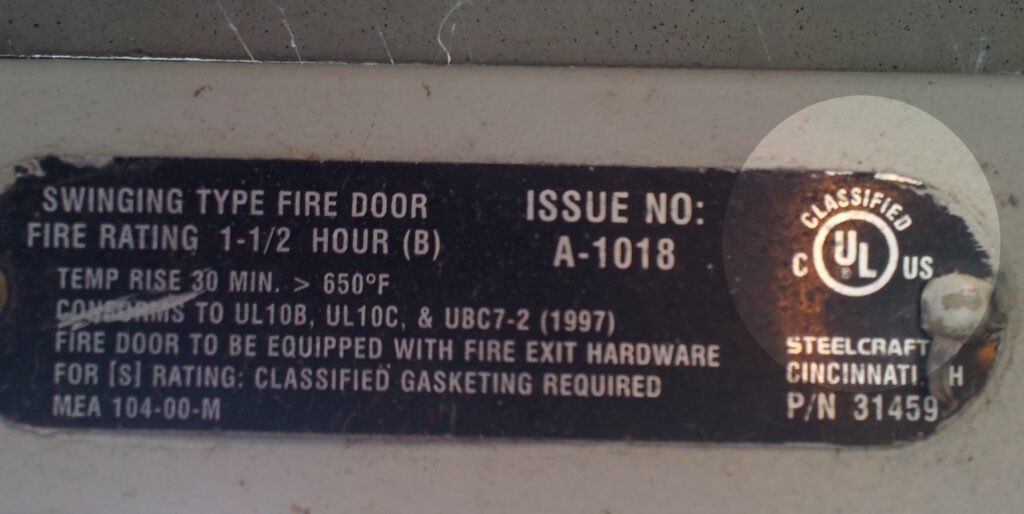
The UL 969 Standard
If your product requires permanent safety or compliance labeling, you’ve likely encountered the UL 969 standard. UL 969 labels are specifically designed and pretested to remain attached and legible through a product’s entire lifespan—ensuring safety information stays visible and compliant, no matter the environment.
At Advanced Labelworx, we specialize in designing, manufacturing, and certifying UL 969-compliant labels that meet your product’s precise application and durability requirements.


What Is UL 969?
UL 969 – Standard for Safety: Marking and Labeling Systems is the UL/ANSI standard governing durable product labels used on UL Listed and Recognized components.
UL 969 labels are often referred to by several other names, including:
- UL Recognized Component Labels
- PGDQ2 or PGJI2 Labels
- CSA C22.2 No. 0.15 Labels (Canadian equivalent)
In short, UL 969 ensures that critical product and safety markings won’t fade, peel, or deteriorate under normal use and exposure.
Why UL 969 Labels Are Important
UL and other Nationally Recognized Testing Laboratories (NRTLs) exist to protect end users through product safety certification. UL 969 supports that mission by verifying that required safety information—warnings, voltage data, serial numbers, and more—remains readable and permanently affixed.
From a consumer perspective, labels play a vital safety role. Consumers rely on them for essential information: warnings, electrical specifications, and operation limits. UL 969 testing ensures that even under stress—heat, moisture, abrasion, or cleaning chemicals—those labels remain intact and readable.
UL 969 compliance simplifies the certification process for manufacturers. Instead of independently proving that each label construction will endure environmental and usage challenges, manufacturers can rely on pre-approved UL 969 constructions that have already been tested for performance.
This speeds up certification, reduces risk, and ensures consistency between production batches.
Do You Need UL 969 Labels?
If your product or component is UL Listed, UL Recognized, or certified by another NRTL, there’s a strong chance you’ll need UL 969-compliant labels.
You can confirm by:
- Reviewing your UL product procedure – This proprietary document outlines labeling requirements.
- Checking your product’s applicable UL standard – For example, UL 153 (Portable Electric Luminaires) specifies: “The marking and labeling system shall comply with the Standard for Marking and Labeling Systems, UL 969.”
- Consulting your NRTL – They can confirm whether UL 969 applies to your certification file.
If your label carries warnings, cautions, or technical details like wattage or frequency, it likely requires UL 969 approval.
What Makes a Label UL 969 Compliant?
UL 969-compliant labels undergo rigorous testing to confirm durability, adhesion, and legibility.
The testing process includes:
- Environmental exposure (humidity, UV, temperature cycling)
- Adhesion and abrasion testing
- Resistance to solvents and cleaning agents
Each approved label construction—the combination of facestock, adhesive, ink, and overlaminate—is certified for:
- Specific substrates (e.g., stainless steel, powder-coated metal, polycarbonate)
- Temperature range
- Indoor or outdoor exposure conditions
UL conducts ongoing inspections and periodic re-testing to maintain certification integrity.
Understanding Category Code Numbers (CCNs)
Within UL 969, several Category Code Numbers (CCNs) help identify the label’s scope and region:
- PGDQ2 – Marking & Labeling Systems (U.S.)
- PGDQ8 – Marking & Labeling Systems (Canada)
- PGJI2 – Printing Materials (U.S.)
- PGJI8 – Printing Materials (Canada)
PGJI labels are approved for secondary printing, allowing manufacturers to add variable data like batch numbers or manufacturing dates.
Secondary Printing Requirements
UL 969 permits additional variable data only when using pre-approved printing methods such as:
- Thermal transfer
- Laser toner
- Hot stamping
Handwriting (pen, marker, or pencil) is never approved under UL 969.
Advanced Labelworx can guide you through selecting the right UL-approved ribbon, toner, or foil system to match your label construction.
Core Label Identification
Each UL 969-recognized label construction includes a core label—a small identifier on the inside core of the label roll. This mark confirms the label’s UL Recognized status.
A UL 969 core label typically includes:
- The UL Recognized Component Mark
- Manufacturer name (Advanced Labelworx)
- U.S. and Canadian file numbers
During inspection, UL verifies this core marking to ensure compliance. Missing or incorrect core labels can delay production or shipment, so proper identification is critical.
Partner with Advanced Labelworx for UL 969 Compliance
Navigating UL labeling requirements can be complex—but you don’t have to do it alone.
At Advanced Labelworx, we work directly with UL to design and manufacture labels that meet every aspect of UL 969 and related standards. Whether you need a custom UL label construction, secondary-printable materials, or support through inspection and certification—we’re your trusted partner for durable, compliant labeling solutions.

